
Why Public Restrooms Should Use Single-Ply Toilet Paper

Public restroom toilet paper may not be top of mind, but it’s an essential component for maintaining hygiene and efficiency. Single-ply toilet paper is a surprisingly practical solution for managing public restrooms, balancing functionality, affordability, and environmental consciousness.
While it may lack the luxurious appeal for private use, single-ply toilet paper is a reliable, efficient choice for environments where practicality precedes personal preference. This article about why public restrooms should use single-ply toilet paper will explain how this option supports better resource management and contributes to a greener future while meeting users’ needs.
Cost-Effectiveness for Facility Managers
Public restrooms are high-traffic areas that require cost-efficient solutions. Single-ply toilet paper costs much less per roll than multi-ply options. The reduced material usage during manufacturing makes single-ply an economically viable toilet paper choice, enabling businesses, schools, and public institutions to save money over time. This cost-effectiveness can make a meaningful difference for facilities operating on tight budgets, allowing for the allocation of funds to other essential maintenance or upgrades.
Promotes Sustainability by Reducing Waste
Single-ply toilet paper advances sustainability by conserving natural resources and reducing waste. Its production requires less raw material than multi-ply alternatives, minimizing the overall consumption of trees and water during manufacturing.
The reduced thickness of this toilet paper also allows for more sheets per roll, leading to fewer packaging materials and less frequent transportation, lowering carbon emissions. By choosing single-ply toilet paper, organizations can actively contribute to environmental preservation by reducing waste, conserving water, and decreasing their ecological footprint.
Prevents Plumbing Issues in High-Traffic Areas

High-traffic areas, such as public restrooms, are prone to plumbing issues, with clogged toilets being one of the most common and aggravating problems. These blockages often happen from excessive use of bulkier, multi-ply toilet paper that does not break down easily in water.
Using single-ply toilet paper, however, reduces the likelihood of such problems. This is because single-ply options dissolve much more quickly when flushed, preventing material buildup in the pipes. By adopting single-ply toilet paper, facilities can reduce the wear and tear on plumbing systems, avoiding costly repairs and keeping their restrooms functional with minimal downtime.
Increased Roll Capacity Reduces Replacement Frequency
Single-ply toilet paper rolls with increased roll capacity efficiently meet the demands of high-traffic restrooms, making them an excellent choice for public spaces. With more sheets per roll compared to multi-ply options, single-ply alternatives offer extended use, reducing the frequency of replacements.
Quality bulk jumbo toilet paper lasts longer and minimizes interruptions for users while requiring less frequent restocking. Choosing single-ply toilet paper reduces maintenance efforts and allows restroom attendants to focus on other essential duties, improving overall efficiency and maintaining a consistently well-stocked and user-friendly restroom environment.
Simplifies Purchasing and Storage
Purchasing single-ply toilet paper in bulk simplifies storage and inventory management in various facilities. Its thinner design means it takes up less space than multi-ply options, allowing for storage of larger quantities without requiring significant room or added storage solutions.
This storage simplicity makes it easier for facility managers to maintain sufficient supplies. Bulk buying also reduces the need for frequent restocking, saving time and resources. Single-ply toilet paper is a practical choice for high-traffic areas where convenience and storage optimization are essential.
Enhances Hygiene Standards
Single-ply toilet paper elevates hygiene by providing a reliable, sanitary solution for public and private spaces. The toilet paper’s smooth, uniform texture effectively removes impurities with minimal effort, reducing the potential for bacteria transfer. Its disposable nature eliminates the need for reusable alternatives, which could harbor germs and require additional cleaning.
By properly disposing of single-ply toilet paper after each use, users maintain clean restroom environments and minimize the spread of harmful pathogens. This focus on hygiene is particularly crucial in high-traffic areas, where maintaining cleanliness is essential for public health and safety.
Reduces Cleaning and Maintenance Costs
Single-ply toilet paper reduces cleaning and maintenance costs in public facilities. Its ability to dissolve quickly in water decreases costly plumbing issues so pipes remain clear and operational. Its durability and ease of use also translate to less mess in restrooms, as there’s a lower chance of excess scraps or remnants ending up on countertops or floors. This streamlined cleanliness reduces the workload for janitorial staff, allowing them to focus on other essential tasks rather than constant restroom maintenance.
Minimizes Environmental Footprint
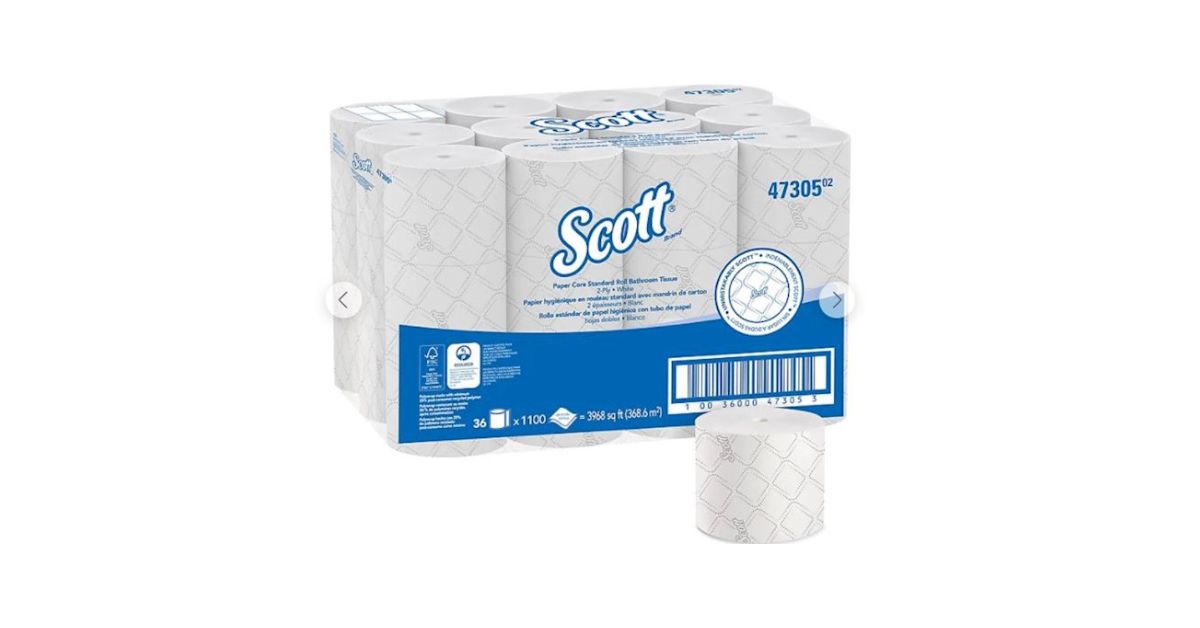
One of the biggest advantages of single-ply toilet paper in public restrooms is its smaller environmental footprint. The manufacturing process for single-ply paper consumes fewer raw materials, translating to less energy and water usage. Many single-ply products use recycled materials, further enhancing their eco-friendly profile. Single-ply toilet paper sends a message of environmental responsibility, which today’s eco-conscious consumers and organizations increasingly value.
Supports Universal Accessibility
Single-ply toilet paper is a versatile, inclusive choice that supports universal accessibility in restroom facilities across various environments. Its affordability means that institutions, whether large shopping malls, neighborhood diners, schools, or public spaces, can provide a reliable solution without financial strain.
By focusing on essential functionality, single-ply toilet paper meets the hygiene needs of a diverse user base so restrooms remain usable and welcoming to people from all socioeconomic backgrounds. Its practical nature eliminates barriers caused by cost or exclusivity, emphasizing the commitment to equity and accessibility in public and private facilities.
Aligns With Operational Efficiency Goals
Effective restroom management is crucial in supporting overall operational efficiency for facilities to optimize resources and avoid unnecessary disruptions or expenses associated with frequent restocking and maintenance.
The durability and practicality of single-ply toilet paper help facilities streamline daily operations, providing a reliable solution that meets the needs of staff and visitors without excessive waste or inconvenience. By addressing these seemingly small but cumulative concerns, facilities can redirect their efforts toward broader operational priorities for a more effective, sustainable approach to management over time.
The choice of toilet paper in public restrooms might seem trivial, but it profoundly influences cost management, environmental sustainability, and user experience. Single-ply toilet paper offers unassuming yet compelling advantages, proving its value as the optimal choice for high-traffic public spaces.
Whether cutting waste or upholding hygienic standards, single-ply toilet paper meets the practical needs of restroom managers and users. By switching to single-ply options, facilities can ensure efficiency, lower expenses, and uphold their commitment to environmental responsibility.