

8 Floor Waxing Tips for High-Traffic Areas
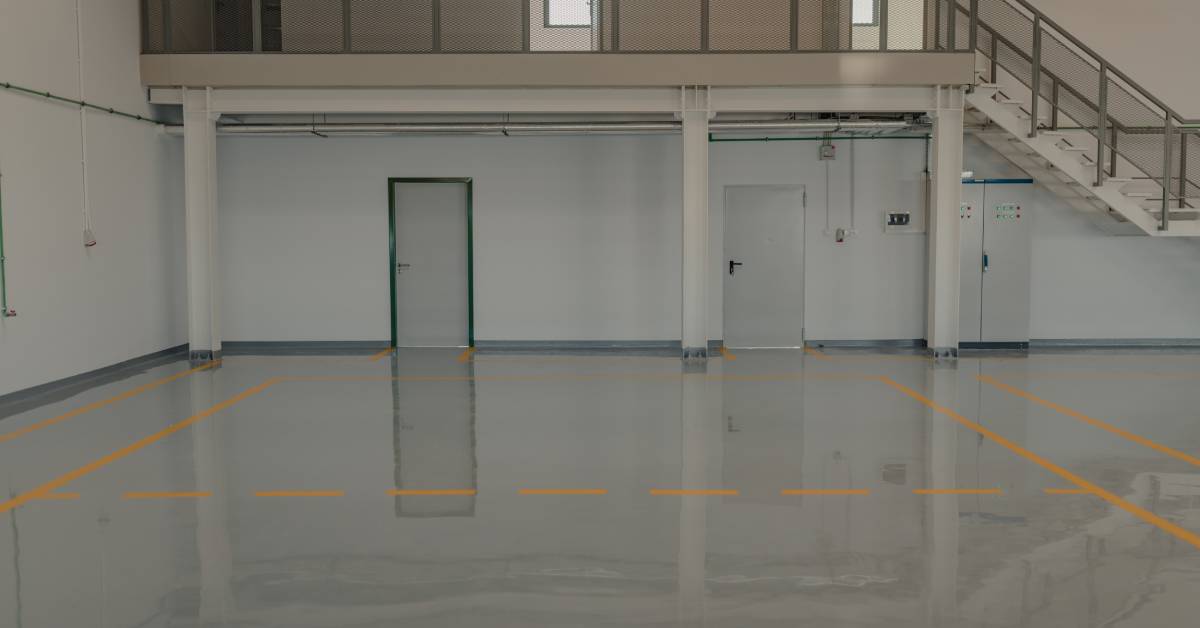
The floors in high-traffic areas endure constant movement, wear, and tear, requiring extra care and attention. Whether it’s a busy office, a bustling retail store, or a frequently used community space, the condition of the floors significantly influences the aesthetic appeal and safety of the environment. Floor waxing is a popular and effective way to protect and keep floors looking pristine. However, achieving long-lasting results requires more than just applying wax.
From preparation to regular maintenance, taking the right steps while waxing ensures durability and maximizes the impact of your efforts. This guide provides essential floor waxing tips for high-traffic areas, outlining the steps needed to achieve a durable, professional finish that lasts for a long time.
The Importance of Floor Waxing
Waxing is crucial in maintaining the appearance and durability of hard flooring. Beyond providing a polished and professional look, wax serves as a protective shield that guards the surface against scratches, stains, dirt, and moisture.
This protective layer is particularly important in high-traffic areas where constant use can lead to significant wear and tear. Waxed floors are easier to clean and maintain than carpet, as the smooth surface repels grime and reduces the effort required for regular upkeep. Investing in floor waxing enhances aesthetics and extends the floor’s lifespan, saving business owners time and money while ensuring an inviting environment.
1. Choose the Right Type of Floor Wax
Selecting the appropriate wax for your specific flooring material is crucial to achieving durable, long-lasting results. Different types of wax cater to various flooring needs. Solid paste wax provides excellent protection and a rich finish for wooden floors, but it may not be suitable for materials such as vinyl or laminate.
Liquid or water-based waxes are often better for more delicate surfaces, as they are easier to apply and less likely to cause damage. When deciding which product to use, consider the manufacturer’s recommendations for your flooring type. This helps ensure compatibility, enhances the appearance of your floors, and provides effective protection against wear and tear.
2. Prepare the Floors Properly Before Waxing
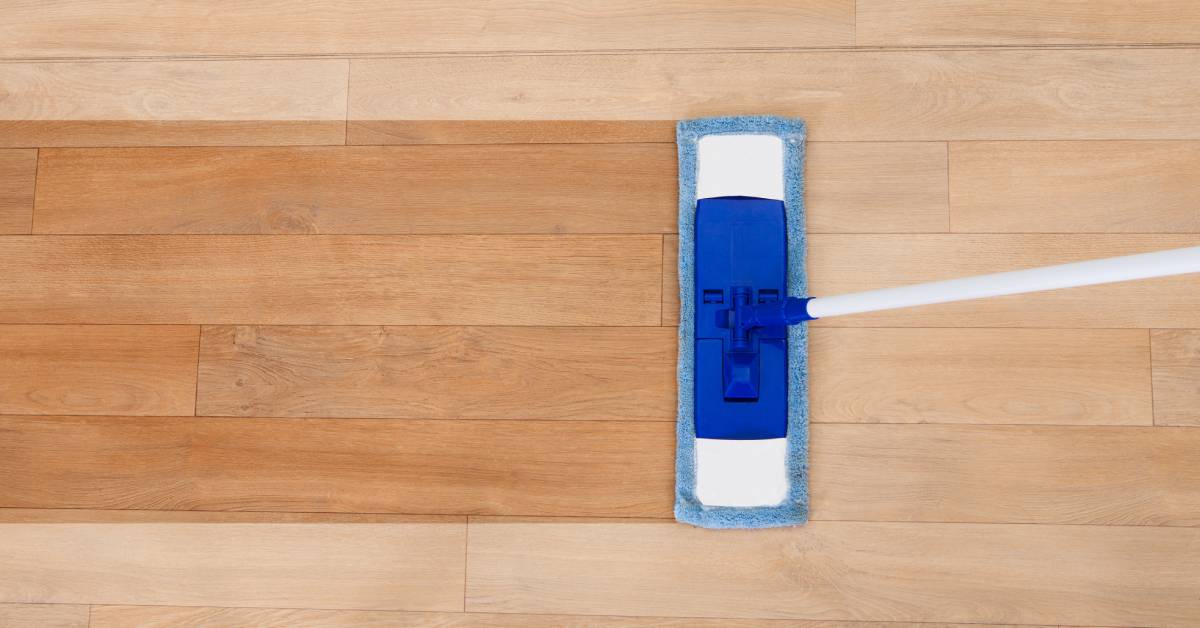
Proper floor preparation is essential for achieving a flawless and long-lasting wax finish. Start by thoroughly sweeping or vacuuming the area to eliminate loose dirt, dust, and debris. Next, use a floor cleaner or degreaser designed for your floor type to tackle any stubborn grime, grease, or residue.
Once cleaned, rinse the floor with clean water to remove residual cleaning agents, which can interfere with waxing. Allow the floor to dry completely to prevent moisture from trapping beneath the wax, which can lead to bubbles.
3. Strip Old Wax To Ensure Smooth Application
To achieve a flawless and professional finish, it’s crucial to strip away any old wax before applying a new layer. Over time, wax can accumulate and form a dull residue that hinders the adherence of fresh wax, compromising the look and durability of the finish.
Select a floor stripper appropriate for your specific flooring type, as using the wrong product can damage the surface. Carefully follow the manufacturer’s instructions, effectively applying, scrubbing, and removing any old wax. Pay attention to corners and edges where buildup is often more stubborn.
4. Apply Wax in Thin, Even Layers
Achieving a sleek and polished look begins with the proper application of wax. Apply the wax in thin, even layers to ensure a smooth finish. Avoid applying thick layers, which can lead to uneven drying, resulting in streaks, clumps, or an imperfect appearance.
Work methodically in small sections using an applicator pad or a mop for waxing. This allows you to maintain control and ensure even coverage. Use professional floor finish products that will enhance the quality of your floors and protect them. High-traffic areas may require multiple thin coats to improve their durability and provide long-lasting protection.
5. Allow Proper Drying Time Between Coats
Patience is an essential element when waxing floors because allowing adequate drying time between coats significantly impacts the durability and appearance of the finish. Each layer of wax must dry before you apply the next to ensure a smooth, even surface and to prevent moisture from becoming trapped between layers.
Trapped moisture can lead to a dull, uneven finish and undermine the protective properties of the wax. Taking shortcuts or rushing through this step can compromise the overall quality of the work and potentially require additional reapplications to correct imperfections.
6. Buff the Floor for a Polished Finish
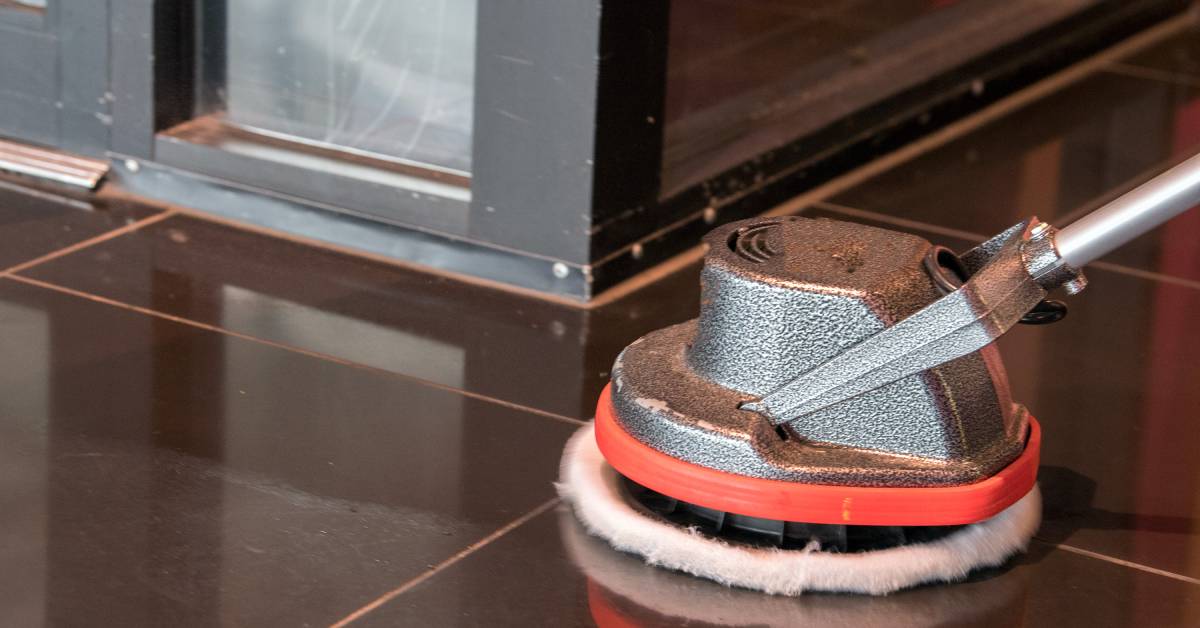
Buffing the floor enhances its shine and helps to smooth out any uneven areas, ensuring a uniform finish across the surface. Buffing can make a substantial difference in maintaining a durable and sleek look for high-traffic areas, as it reduces wear and tear by reinforcing the wax layer.
Select a floor buffer with the correct pad for your specific flooring material and follow a systematic, overlapping approach to cover the entire space. Regular buffing adds longevity to the wax coating and protects the floor from damage.
7. Schedule Regular Maintenance
Establish a thorough and consistent maintenance schedule to ensure high-traffic areas remain in top condition. This should include routine cleaning to remove dirt and debris, buffing to restore luster, and reapplying protective wax to maintain the flooring’s durability and shine.
The frequency of these tasks will vary depending on the foot traffic the area experiences and the type of flooring material in place. Heavily trafficked commercial spaces may require more frequent attention compared to residential buildings. Proactive maintenance can enhance the visual appeal of the flooring and safeguard it against premature wear and tear.
8. Use Mats and Rugs To Minimize Wear
Placing floormats at entryways helps capture dirt, debris, and moisture before it comes in contact with the floor. Runners in hallways and other heavily used spaces can significantly reduce the impact of constant foot traffic.
These protective layers shield the wax coating on your floors, decreasing the need for frequent reapplication. By acting as the first line of defense against wear and tear, mats and rugs ensure that your flooring remains functional and visually appealing for many years.
By following these floor waxing tips for high-traffic areas, you can protect your floors and ensure that they remain polished, durable, and visually appealing. The effort you put into waxing and maintaining your floors will extend their lifespan and create a clean, inviting space that leaves a lasting impression.