How To Store Your Cleaning Supplies Safely and Efficiently
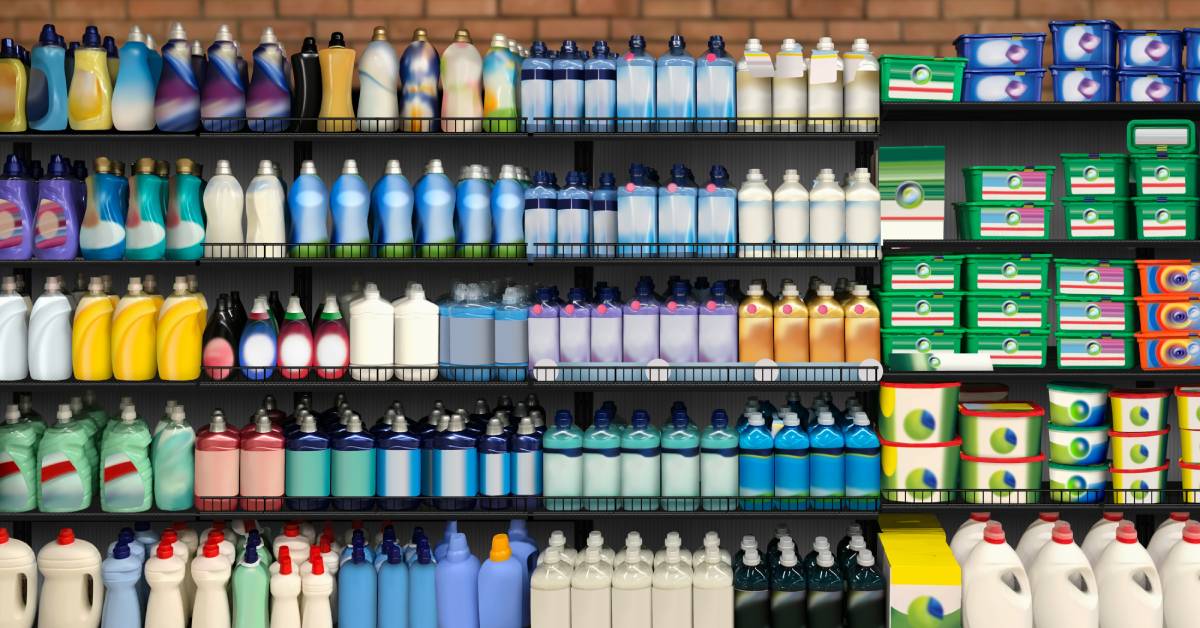
Cleaning supplies are crucial in maintaining a clean, healthy, and pleasant environment, whether at home or in a commercial space. Improper storage of these essential items can lead to accidents, decreased effectiveness, and potential harm to people and pets.
Learning how to store your cleaning supplies safely and efficiently will help you protect your household or workspace and prolong the usability of your cleaning products. Understanding the best practices in organization and safety is essential, whether you are dealing with cleaners for your home or a business.
You can create a storage system that is convenient and easy to access and eliminates risks of contamination or mishandling by following certain guidelines and thoughtful organization. These tips will help you keep safety at the forefront.
Choose a Designated Storage Area
The first step to safe and efficient storage is selecting a designated space for your cleaning supplies. Ideally, you should choose a well-ventilated, cool, and dry space to prevent any degradation of the chemical components in your cleaning products.
Avoid storing cleaners in areas exposed to direct sunlight or near heat sources, as high temperatures can potentially trigger reactions or cause containers to burst. A small closet, basement shelf, or cabinet works well for homes, while larger spaces, such as larger closets, may be necessary for commercial settings.
Keep Cleaning Supplies Out of Reach of Children and Pets
Ensuring the safety of children and pets in your household or workspace is a top priority when storing cleaning supplies. Many of these products contain hazardous chemicals that can cause serious harm if you ingest, inhale, or touch them. Storing all cleaning agents in secure locations inaccessible to children and pets is essential to prevent accidental exposure.
Consider installing childproof locks on cabinets or placing cleaning supplies on high shelves that are fully out of reach. Using storage containers with locking lids can provide extra protection, discouraging curious hands or paws from accessing dangerous substances. Always keep products in their original containers with clear labels, and never leave cleaning supplies unattended during use, as doing so further minimizes potential risks.
Organize by Product Type
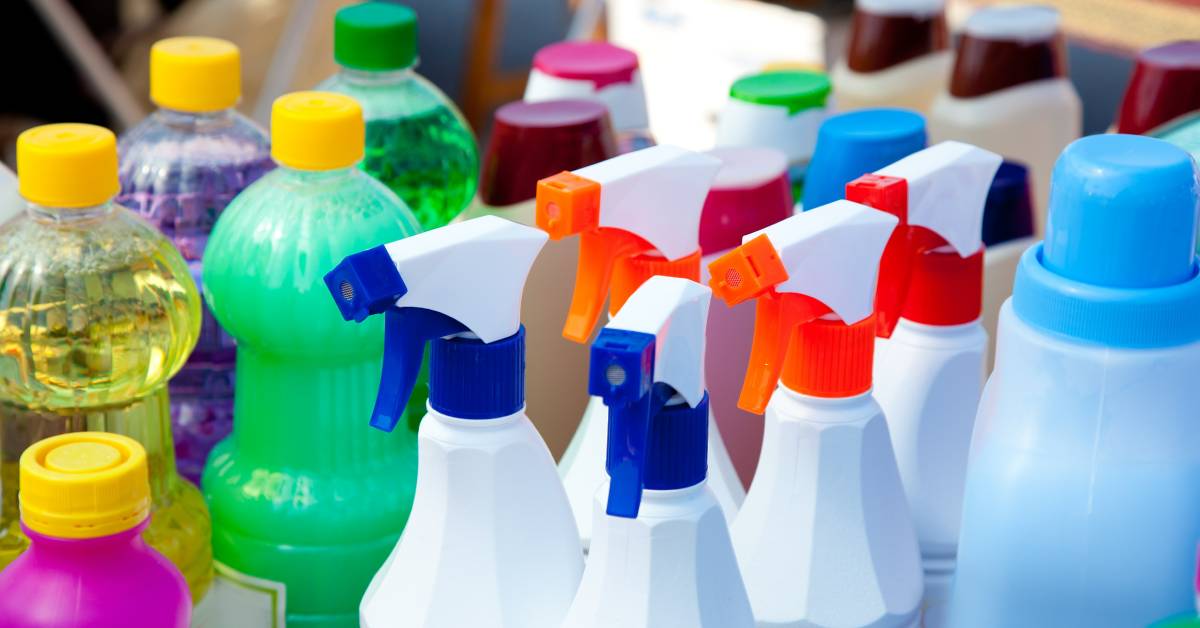
Effectively organizing your cleaning products by type ensures easy access and minimizes confusion during use, creating a more efficient and safe process. Start by categorizing your products into distinct groups, such as disinfectants, all-purpose cleaners, glass cleaners, and specialized products such as furniture polish, carpet stain removers, or heavy-duty degreasers.
Store each category in its dedicated section, such as clearly labeled bins, shelves, or containers, to prevent items from mixing. This method helps you quickly locate the right product for the task at hand and reduces the risk of spills, cross-contamination, or accidental misuse.
Label Everything Clearly
Proper labeling is crucial for maintaining safety and organization when storing cleaning products. Replace old labels with a new, clearly written label if the original label on a product becomes damaged, faded, or illegible. The replacement label should include essential information such as the product name, detailed usage instructions, and any warnings originally provided.
Everyone in your household or workplace can confidently identify what they are handling by ensuring all containers have accurate labels, minimizing the risk of accidents or improper use. Clear labeling is a simple but effective step toward maintaining a safe and organized storage system.
Dispose of Expired or Unused Cleaning Products
Discarding expired or unused cleaning products is crucial in maintaining a safe and efficient cleaning routine while fostering an organized space. Over time, cleaning supplies can lose their effectiveness, and using them may minimize results and pose potential safety risks.
Periodically check your inventory for products past their expiration date or have gone unused for an extended period to ensure your cleaning efforts remain effective and safe. Improper disposal can harm the environment, so consult your local waste management guidelines to determine the best method for discarding such items.
Use Airtight Containers for Dry Cleaning Supplies
Storing dry cleaning supplies such as laundry detergents, baking soda, or powdered stain removers in airtight containers is an effective way to ensure longevity and maintain quality. Airtight containers provide a sealed environment that protects the contents from moisture, which can often lead to clumping or reduced effectiveness of the cleaning agents.
These containers prevent accidental spills, keeping your storage area tidy and safe. Transparent containers are particularly useful as they allow you to quickly assess the remaining inventory without opening the lid, saving time and effort.
Avoid Mixing Cleaning Chemicals
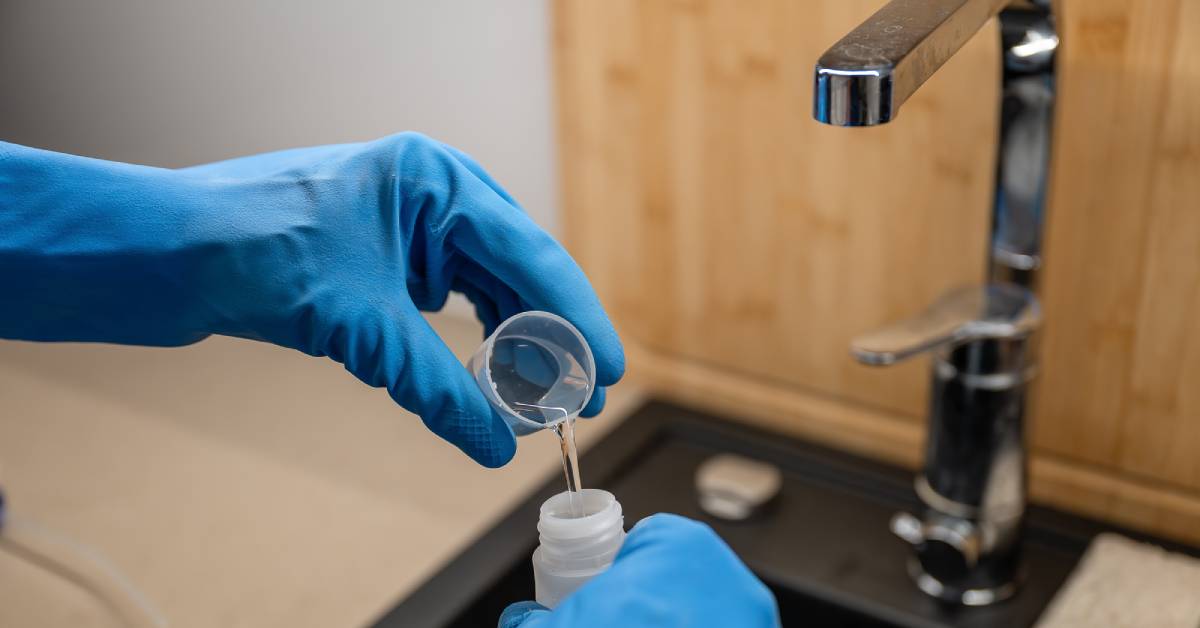
Mixing cleaning chemicals can be extremely hazardous. Certain combinations, such as bleach and ammonia, produce toxic fumes that can cause serious harm to your respiratory system or even result in a medical emergency.
Always read the labels and warnings on cleaning products to understand their specific usage. Mixing chemicals could produce dangerous fumes and create reactions that could burn and damage your skin.
Maintain an Inventory Checklist
Properly managing your cleaning supplies begins with maintaining a detailed inventory checklist to ensure you have everything necessary for effective cleaning while avoiding waste. Start by cataloging all your cleaning products, tools, and equipment in a comprehensive list or digital spreadsheet. Include important details such as product names, quantities, purchase dates, and expiry dates.
Regularly review and update the inventory to track usage patterns and identify what needs restocking before running out of essentials. An inventory checklist is especially useful for businesses that rely on high-quality commercial cleaning supplies, optimize purchasing decisions, ensure compliance with health standards, and minimize unnecessary expenses from overstocking.
Periodically Inspect Your Storage Space
Regularly inspecting your storage space is crucial to maintaining safety, organization, and functionality over time. Thoroughly check the area for potential issues such as leaks, spills, or signs of wear and damage on product containers. Pay special attention to any visible deterioration, corrosion, or compromised packaging that could lead to hazardous chemical reactions or contamination.
Promptly address these issues by cleaning spills to prevent safety hazards and transferring products to secure, intact containers when necessary. You can extend your storage system’s longevity, promoting cleanliness and order and mitigating risks associated with improper storage conditions by conducting routine inspections and immediately resolving any problems.
Storing cleaning supplies safely and efficiently is not just a matter of convenience; it is an essential responsibility to protect the well-being of everyone in your home or workplace. You can create a streamlined, hazard-free system that ensures your cleaning supplies are always ready by adhering to these best practices and staying mindful of safety guidelines. Proper storage methods contribute to a cleaner, safer, and more organized environment, whether for household convenience or professional needs.