How Long Do Most Cleaning Products Last?
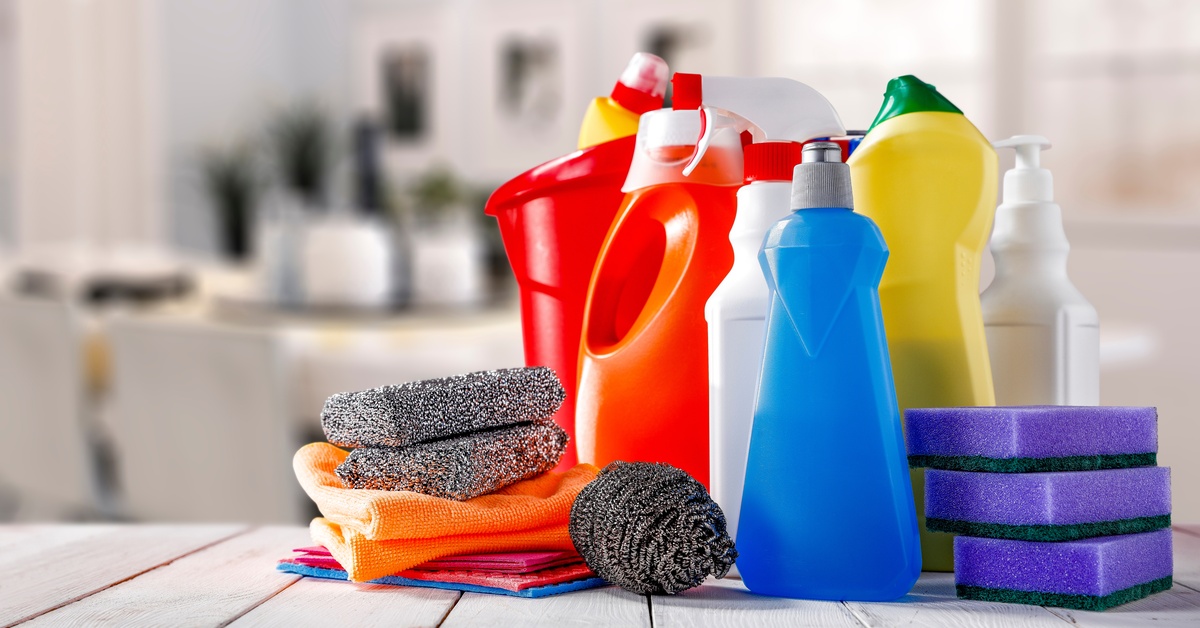
Keeping your home or business clean and hygienic is essential for everyone’s well-being, and cleaning products play a vital role in this process. Whether using disinfectants, surface sprays, laundry detergents, or bathroom cleaners, these solutions help combat dirt, germs, and grime, ensuring a healthier living environment.
However, cleaning products have a lifespan. Using expired cleaning products may lead to reduced effectiveness or even present safety concerns. Therefore, knowing how long most cleaning products last and when to replace them is important.
Cleaning products vary in their lifespans based on their chemical compositions, storage, and the type of container they’re in. Proper knowledge can save money, help avoid waste, and make cleaning efforts more efficient.
All-Purpose Cleaners
All-purpose cleaners are essential household products due to their versatility in cleaning various surfaces, from countertops to floors. These cleaners, when stored properly, can maintain their effectiveness for up to two years. However, their active ingredients may degrade over time, reducing their cleaning power.
To maximize their shelf life, storing them in a cool, dry environment away from direct sunlight and any extreme temperatures is crucial, as improper storage can accelerate deterioration. Always pay close attention to the product label for expiration dates and key storage instructions. Inspect the cleaner periodically for any noticeable changes in color, texture, or consistency, which could indicate the product may no longer perform effectively.
Bleach
Bleach is a versatile and powerful disinfectant for cleaning, whitening, and sanitizing various surfaces. Despite its effectiveness, bleach has a relatively short shelf life compared to other cleaning products. An unopened bottle of bleach typically retains its full disinfecting power for about 12 months, but once opened, it lasts six months as its chemical composition begins to break down.
Proper storage is essential to maximize its effectiveness. To slow the degradation process, keep the bottle tightly sealed in a cool, dark place away from direct sunlight and heat. Handle bleach with care, following safety guidelines to avoid spills or contact with skin and prevent interactions with other chemicals such as ammonia, which can create harmful fumes.
Glass Cleaners
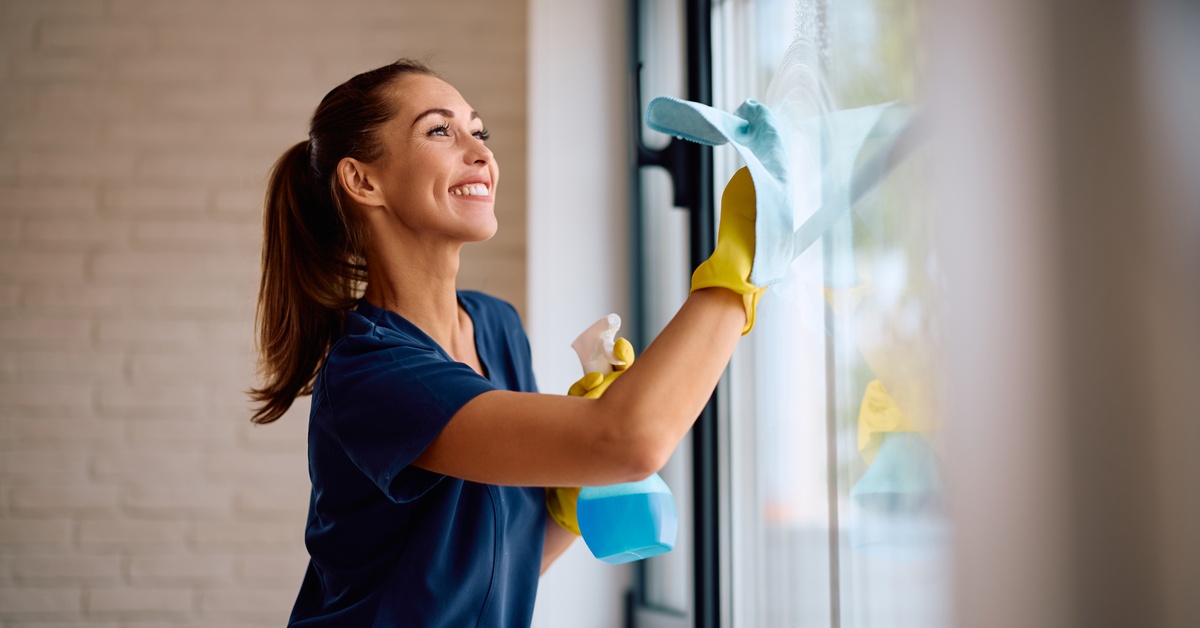
Glass cleaners, designed to remove streaks, fingerprints, and grease from glass surfaces, typically have a shelf life of around two years. These products use ammonia or alcohol, which are highly effective at cutting through grime and ensuring a crystal-clear finish.
Over time, these active components can degrade, causing the cleaner to lose effectiveness and making it harder to achieve a streak-free result. Always store glass cleaners in a cool, dry place to maximize their lifespan and ensure the bottle has a tight seal after each use.
Dishwashing Liquids
Dishwashing liquids typically have a recommended shelf life of around one to two years, after which their effectiveness can decline. Over time, the cleaning agents in the liquid may separate, reducing its ability to break down grease and thoroughly clean dishes.
You can detect this degradation with changes in scent, texture, or color, signaling that the detergent may no longer be suitable for use. Proper storage is key to preserving the quality of dishwashing liquids. Always ensure the cap is tightly closed to avoid contamination, and store the product in a dry, cool space away from direct sunlight or extreme conditions that could compromise its formula.
Bathroom Cleaners
Quality bathroom cleaners are essential for maintaining a sparkling and hygienic space, designed to combat common issues such as soap scum, mold, and mildew. Store these products properly to ensure their effectiveness, typically lasting around two years if kept in the right conditions.
Bathrooms often have high humidity levels that can prematurely deteriorate the cleaner’s formula, so store them in a dry area outside the bathroom. Signs of a product becoming less effective include a watery consistency or an inability to remove stains as efficiently.
Laundry Detergents
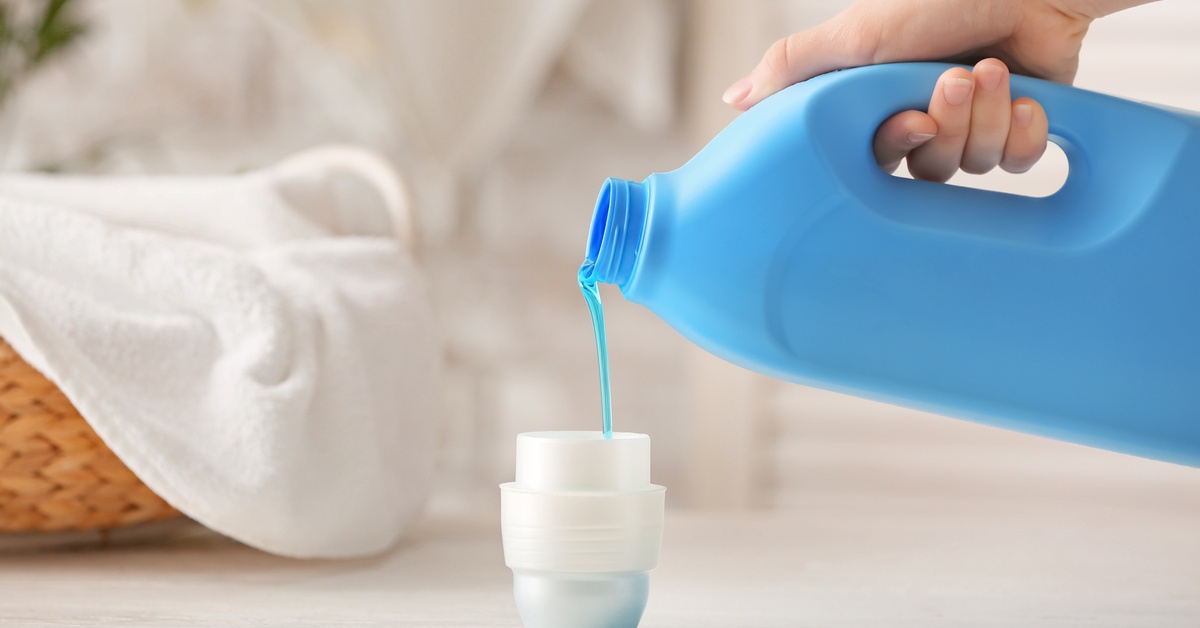
Laundry detergents play a crucial role in maintaining clean and fresh clothing, with their effectiveness depending largely on their type and storage conditions. Once opened, liquid detergents maintain their cleaning power for about six months to one year, while unopened bottles can stay viable for up to two years.
Powder detergents have a longer shelf life, with opened packages lasting up to one year and sealed ones remaining effective for three years. Exposure to moisture can cause powdered detergents to form clumps, reducing their ability to dissolve and clean properly. Both types of detergents require careful handling and storage to ensure optimal performance and to avoid waste.
Disinfectant Sprays and Wipes
Disinfectant sprays, particularly those formulated with active ingredients such as alcohol or hydrogen peroxide, typically maintain their effectiveness for about one to two years when stored under appropriate conditions. These sprays kill germs on surfaces efficiently, making them a reliable choice for routine disinfection.
Though convenient and portable, disinfectant wipes generally have a shorter shelf life of around one year if their packaging remains tightly sealed. However, once opened, the wipes risk drying out as the solution evaporates, which can reduce their efficacy. To maximize usability, reseal the packaging securely after each use and store them in a cool, dry, and dark environment, away from direct sunlight or high temperatures.
Oven Cleaners
Oven cleaners are powerful cleaning agents formulated to tackle stubborn, baked-on grease and grime in oven interiors, restoring their cleanliness and functionality. These products generally have a shelf life of around two years, after which the active degreasing agents may break down and lose effectiveness.
Keep oven cleaners in a cool, dry place, away from direct sunlight and extreme temperature fluctuations, as such conditions can degrade the chemical composition. Always check the expiration date and storage instructions provided by the manufacturer to achieve optimal cleaning results whenever you use the product.
Floor Cleaners
Floor cleaners are essential for maintaining the cleanliness and longevity of various flooring types, but their effectiveness can diminish over time. Typically, these cleaners have a shelf life of one to two years, depending on their formulation. During this period, improper storage can lead to separation of ingredients or changes in the product’s consistency, color, or odor, which are signs the cleaner may no longer be effective.
To maximize their lifespan and cleaning power, keeping them properly sealed and stored in a cool, dry place away from direct sunlight is essential. This is particularly important for specialized flooring, such as hardwood, where ineffective or expired cleaners can lead to permanent damage.
Recognizing the signs of expired products is just as important as understanding the average lifespan of cleaning products. Changes in smell, separation of ingredients, or reduced cleaning power indicate that a product needs to be replaced. Using expired products is not only ineffective but can also pose safety risks.
Properly storing supplies and replacing old items can enhance their effectiveness and achieve better results during your cleaning routine. Regularly evaluating your cleaning arsenal helps balance efficiency and safety, ultimately contributing to improved household or business hygiene.