

How To Select the Proper Size Trash Bag for Your Can
Choosing the right size trash bag for your can is essential for maintaining a clean and efficient waste disposal system. Using correctly sized bags prevents leaks, spills, and unnecessary waste of materials and money.
Let’s look at how to select the proper size trash bag for your can and some tips for making the most out of your waste disposal system.
Measure Your Trash Can’s Dimensions
Follow our steps to determine the correct trash bag size for each of your bins.
- Start by measuring the width and height of your trash can.
- Use a tape measure to calculate the circumference by measuring around the can or measuring the width and multiplying by two.
- Measure the height of the can from top to bottom.
- When choosing a bag, select one with a circumference that is at least as wide as your can’s. You also want to pick a bag with a height that accommodates the depth of your trash can while allowing for an extra few inches to fold over the rim.
Consider the thickness or mil of the bag based on the weight and type of waste it will hold; thicker bags are ideal for heavy or sharp trash, while lighter bags suffice for typical household waste.
Determine the Bag’s Capacity Needed
Consider the volume of waste typically produced and the frequency of disposal to determine the capacity needed for your trash bag. Trash bags are commonly measured in gallons, so it’s helpful to know your garbage can’s volume capacity. Check the specifications provided by the manufacturer or measure the internal dimensions of your can.
For daily use in most households, bags ranging from 13 to 30 gallons are usually sufficient, but larger cans may require 40- to 50-gallon bags for optimal fit and functionality. When selecting, keep in mind that overfilled bags are prone to tearing, leading to spills and unsanitary conditions. Additionally, ensure a balance between bag size and thickness to handle the specific type of waste without unnecessary strain or waste of resources.

Consider the Bag Thickness
Bag thickness, often measured in mils, plays a crucial role in ensuring your waste disposal system functions effectively. Typically, bags range from 0.7 mils for light-use scenarios to over 3 mils for heavy-duty applications. If you frequently dispose of sharp or heavy items, it’s best to choose thicker bags that are less likely to rip or leak.
However, thicker bags are not always necessary for everyday household waste; in most cases, a thinner bag will suffice without compromising durability. Additionally, opting for the correct thickness based on your needs can result in cost savings. Overutilizing unnecessarily thick bags can lead to wasted resources and increased expenses. Therefore, assess your waste type and volume to determine the optimal thickness, ensuring efficient and hygienic disposal.
Choose the Right Material
Selecting the appropriate material for your trash bag is crucial for ensuring effective waste management and environmental responsibility. Trash bags typically feature polyethylene, with variants such as high-density (HD) or low-density (LD) polyethylene offering different properties. HD bags are thinner, more affordable, and suitable for light, non-porous waste, while LD bags are more flexible and puncture-resistant, making them ideal for heavier or sharper contents.
Biodegradable options are also available, offering an environmentally friendly alternative by breaking down faster in composting conditions. When choosing the material, consider the specific waste your household generates, balancing cost-effectiveness with environmental impact. Thoughtful selection of trash bag material minimizes your ecological footprint and enhances the functionality of your waste disposal system.
Factor In Special Features
Considering special features when selecting trash bags can enhance your waste management experience. For added convenience and ease of use, look for bags with drawstring closures, which make tying and carrying the bags easier. Scented bags can help neutralize unpleasant odors, making them ideal for kitchen or bathroom use.
Additionally, if you’re environmentally conscious, choose bags labeled as eco-friendly or made from recycled materials, which can reduce your household’s environmental footprint. Some trash bags also come with built-in antimicrobial properties, helping to minimize bacteria growth and maintain a cleaner environment. By factoring in these features, you can choose the most suitable trash bags that not only meet your needs but also contribute to a more sustainable lifestyle.
Match Bag Style With Can
Selecting the appropriate bag style to complement your trash bin can significantly enhance convenience and efficiency. When possible, choose a style that aligns with the design of your trash can.
The three main bag styles are Star Seal, Gusseted Seal, and Flat Seal.
A Star Seal bag’s seal is shaped like a star, and it’s the most common type of garbage bag. It conforms to the shape of your trash can, providing an excellent fit and minimizing gaps where waste could escape. If you have a larger trash can, like a Brute trash can, a Star Seal bag can accommodate its wider dimensions.
A Gusseted Seal bag has sides that tuck in to form a gusset. These gussets have indentations at each end, which help the bag settle into a rectangular shape when you place it in the bin. Gusseted bags are ideal for larger, heavier loads and can accommodate bins with square or rectangular bases.
A Flat Seal bag is exactly how it sounds—flat. These bags have two sides and seal at the bottom, with no gussets. They’re difficult to use in standard trash cans because they don’t conform to the shape of the cans, leaving gaps for waste to escape. But they may be appropriate for other uses, such as lining wastebaskets.
A Star Seal bag is a good all-around option for most households. But a Gusseted Seal bag may be a better choice for those who produce larger amounts of trash, while Flat Seal bags are great for smaller cans and light waste. By matching the bag style with the can’s attributes, you enhance the durability and performance of your waste disposal system, making trash management simpler and more efficient.
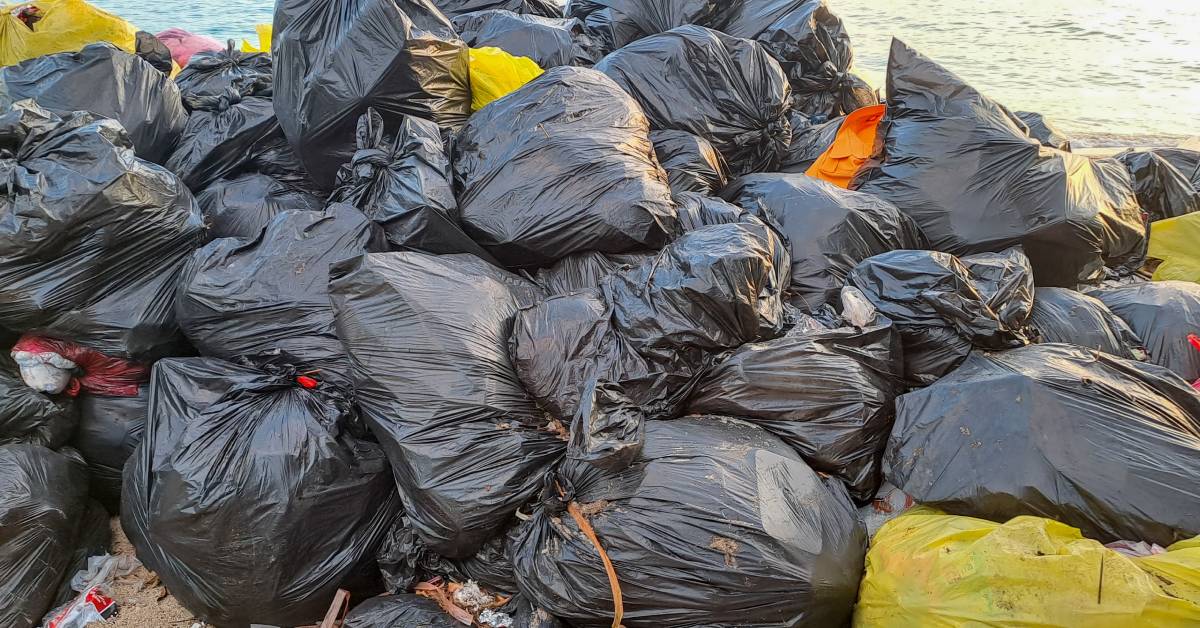
Explore Eco-Friendly Options
Exploring eco-friendly options for trash bags provides a sustainable approach to waste management, balancing efficiency with ecological responsibility. When considering eco-friendly alternatives, look for bags made from recycled materials or biodegradable products that break down more quickly in natural environments, thus reducing pollution. Compostable bags, crafted from plant-based materials, are particularly beneficial for organic waste, allowing for seamless integration in composting systems.
Incorporating eco-friendly bags into your routine not only diminishes your carbon footprint but also supports the movement toward a cleaner, greener planet. Investing in quality eco-friendly options can initially be costlier but offers long-term environmental benefits. Thus, conscientious selection helps ensure that your waste disposal is both efficient and sustainable, aligning with eco-friendly practices and minimizing harm to the environment.
Choosing the right trash bag for your waste disposal needs involves considering various factors such as size, capacity, thickness, material, and special features. By carefully assessing these elements and aligning them with your household’s waste management requirements, you can ensure a more sanitary, efficient, and cost-effective waste disposal system. Additionally, opting for eco-friendly trash bags contributes to a more sustainable lifestyle and supports environmental conservation efforts. Taking the time to select the most suitable trash bags can significantly improve waste management practices, leading to a cleaner home and a healthier planet.
If you need trash bags for your facility, Cleaning Supply Mart offers a wide selection of options to meet your specific needs. Browse our inventory today to find the perfect bags for your waste disposal system!