

Understanding Trash Bag Thickness and Why It Matters
 Whether you’re dealing with heavy industrial waste or tidying up after a backyard barbecue, choosing the right trash bag is more important than you might think. Trash bags play an essential role in effective and safe waste management, and their features, such as thickness, directly impact their performance.
A trash bag that’s too thin might tear under the weight of heavy objects, while one that is too thick could result in unnecessary costs and environmental waste. Factors including the type of trash, the volume of garbage, and even the environment you use the bags in should all play a role in determining the ideal trash bag for your needs. Understanding the importance of trash bag thickness and why it matters helps increase convenience, reduce costs, and promote sustainability.
What Does Trash Bag Thickness Mean?
Trash bag thickness refers to the density and durability of the plastic used to make the bag, commonly measured in mils or microns. A mil equals one-thousandth of an inch, while a micron represents one millionth of a meter.
These measurements help indicate the strength and purpose of the bag, as thicker bags withstand heavier loads and endure tough tasks, such as managing construction debris or yard waste. Thinner bags are more appropriate for lighter, everyday use, such as household trash or office waste.
Why Is Trash Bag Thickness Important?
The thickness of a trash bag plays a crucial role in its overall durability, puncture resistance, and suitability for specific waste types, directly impacting its effectiveness in waste management. Thinner bags are prone to tearing under the weight or pressure of sharp or heavy objects, leading to leaks, spills, and frustration during disposal.
Overly thick bags for light or non-demanding waste may result in excessive costs and unnecessary use of materials. Selecting the right thickness helps balance strength and economy, ensuring efficient waste containment while reducing the risk of failures during transport or handling.
Common Thickness Levels and Their Uses
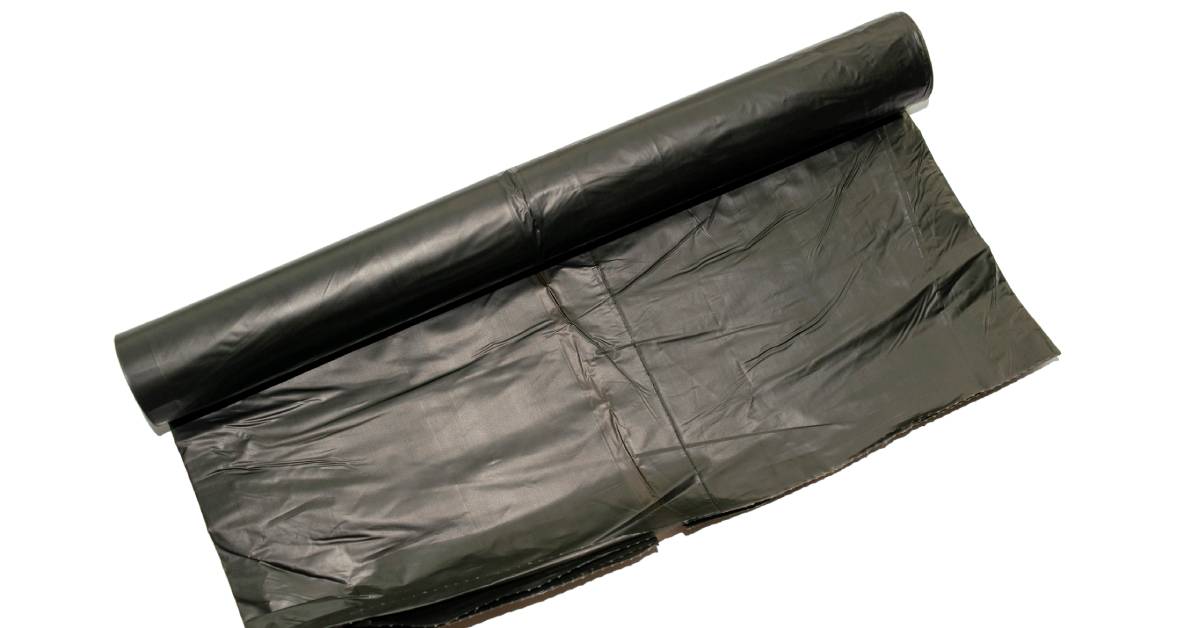
Trash bags are available in various thickness levels, designed to meet the specific needs of different tasks:
- Light-duty (0.35-0.45 mils): These bags are thin yet practical for lightweight tasks. They are common for collecting office waste such as paper, tissues, and other dry, low-density materials. They are also ideal for bathroom trash that consists mostly of unsharp disposable items.
- Medium-duty (0.9-1.0 mils): Offering more durability and strength, medium-duty trash bags are best for dealing with kitchen waste, including food scraps and unsharp items. They are versatile for regular use in homes and small offices.
- Heavy-duty (1.2-2.0 mils): Designed for high-strength applications, heavy-duty trash bags can handle tough, bulky, or sharp waste. They are ideal for yard work involving branches, leaves, and heavy organic waste. In manufacturing or warehouse settings, they excel at managing construction debris, such as tile pieces, wood scraps, drywall, and industrial waste.
How Material Affects Trash Bag Thickness
The choice of material influences the thickness of a trash bag but also determines its overall durability and functionality. Despite being thinner, high-density polyethylene (HDPE) bags offer excellent tensile strength for lightweight, non-angular waste, making them cost-effective and eco-friendly for particular applications.
Low-density polyethylene (LDPE) bags benefit from their thicker composition, providing enhanced flexibility and puncture resistance, ideal for heavier or sharper waste. This distinction highlights the importance of selecting quality garbage bags for specific waste management needs to ensure optimal performance and efficiency.
Thickness Versus Capacity
Thickness and capacity are often conflated when it comes to trash bags, but they refer to entirely different properties. Capacity is the volume of waste a bag can hold, commonly measured in gallons.
Thickness measures the durability and strength of the bag, often in mils or microns, which indicates its ability to withstand heavy or sharp objects without tearing. A high-capacity bag that is too thin might be unable to handle heavy or jagged items effectively, leading to breakage and mess. A thicker bag with low capacity may be strong but unable to accommodate a large volume of trash.
Environmental Impact of Different Trash Bags
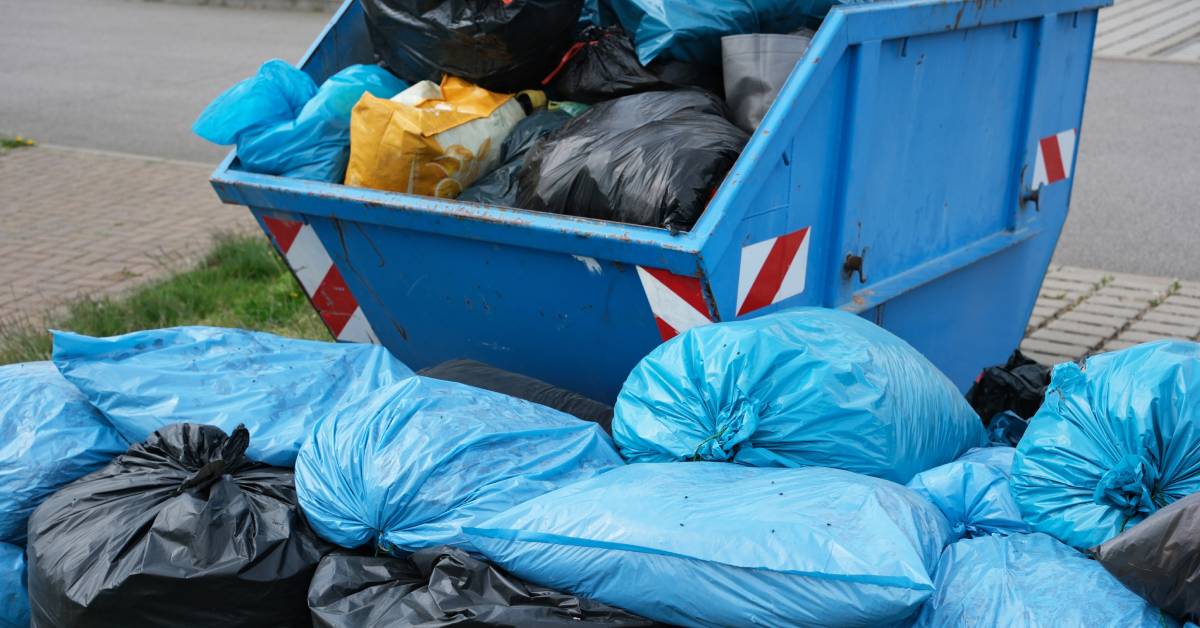
The thickness of trash bags plays a significant role in their environmental impact, as thicker bags typically require more plastic, which increases resource extraction and contributes to plastic pollution. While thinner bags might seem like an eco-friendly option, they are often less durable and prone to tearing, leading to the need for doubling up or frequent replacements.
This cycle of increased consumption highlights the importance of finding a balance between durability and sustainability. Many modern manufacturers now prioritize producing eco-friendly options that maintain strength and reliability and lessen the long-term negative impact on the environment.
How To Select the Right Thickness for Your Needs
Choosing the right thickness depends on your specific requirements. Ask yourself these questions:
- What type of waste will you be disposing of? Sharp or heavy objects call for heavier-duty bags.
- How often will you be handling trash? Frequent handling or transport may require greater resistance to tears.
- What is your budget? Thicker bags are generally costlier; choose wisely based on your needs.
Carefully evaluating these factors ensures you’re not overpaying or under-preparing for waste management tasks.
Tips for Commercial Use of Trash Bags
Selecting the right trash bag for commercial purposes is critical for maintaining cleanliness, efficiency, and cost management. Different industries have varying requirements based on the type and volume of waste generated. Restaurants and food service establishments should prioritize heavy-duty, puncture-resistant bags capable of handling wet, heavy kitchen waste, including food scraps, grease, and liquids.
Offices and corporate settings typically benefit from lighter, more affordable trash bags for dry waste, such as paper, packaging materials, and small disposables. Retail spaces, warehouses, or manufacturing sites may require specialty bags for sharp objects or bulky items to avoid tearing and spillage.
Understanding trash bag thickness and why it matters is essential for practicality and environmental responsibility. Whether you’re a homeowner, small business owner, or industrial worker, choosing the right bag ensures dependable performance and peace of mind.
You can optimize your waste management practices without unnecessary expense or inconvenience by focusing on the appropriate thickness, material quality, and intended usage. Taking the time to evaluate your trash bag choices allows for a more efficient and sustainable approach, proving that even seemingly small decisions make a big difference.