What Do the Symbols on Cleaning Products Mean?

When you purchase cleaning products, whether for your home or workplace, you may notice a range of symbols and icons printed on the packaging. These symbols are essential in providing important information about the product’s safe usage, environmental impact, and disposal methods.
However, deciphering these symbols can often feel like trying to understand a foreign language. Without proper knowledge, you risk misusing the product, which could harm yourself, your family, or your surroundings.
Understanding these symbols isn’t just about safety; it’s also about making informed and responsible choices when selecting quality items. This guide about the meaning of symbols on cleaning products will explain the most common ones and offer advice on safely using and disposing of products.
Warning and Hazard Symbols
Warning and hazard symbols are crucial in communicating potential risks associated with various products and substances. These symbols come framed within orange or red diamonds. Images illustrate the specific nature of the hazard, such as a skull and crossbones to indicate toxicity or an exclamation mark as a general warning.
Symbols like a cylinder may signify compressed gases, while others, such as a silhouette of a person with an impact on their chest, highlight long-term health hazards like carcinogenic effects. Recognizing and understanding these symbols is vital for ensuring safety, as they serve to warn of risks like chemical burns, poisoning, or fire hazards.
Corrosion Symbol
The corrosion symbol looks like a hand and a metal surface being damaged by a liquid, with a droplet falling onto both the hand and the metal, causing burns or corrosion. This symbol indicates that the substance contains highly corrosive chemicals capable of causing severe damage. These substances can result in serious skin burns, permanent eye injuries, or the deterioration of certain materials upon contact.
Common examples of products bearing this symbol include powerful cleaning agents like drain cleaners, oven cleaners, and industrial chemicals. To ensure safety, use with caution, preferably with protective gear like gloves and goggles, and store securely away from children and pets to prevent accidental exposure or harm.
Flammable Symbol
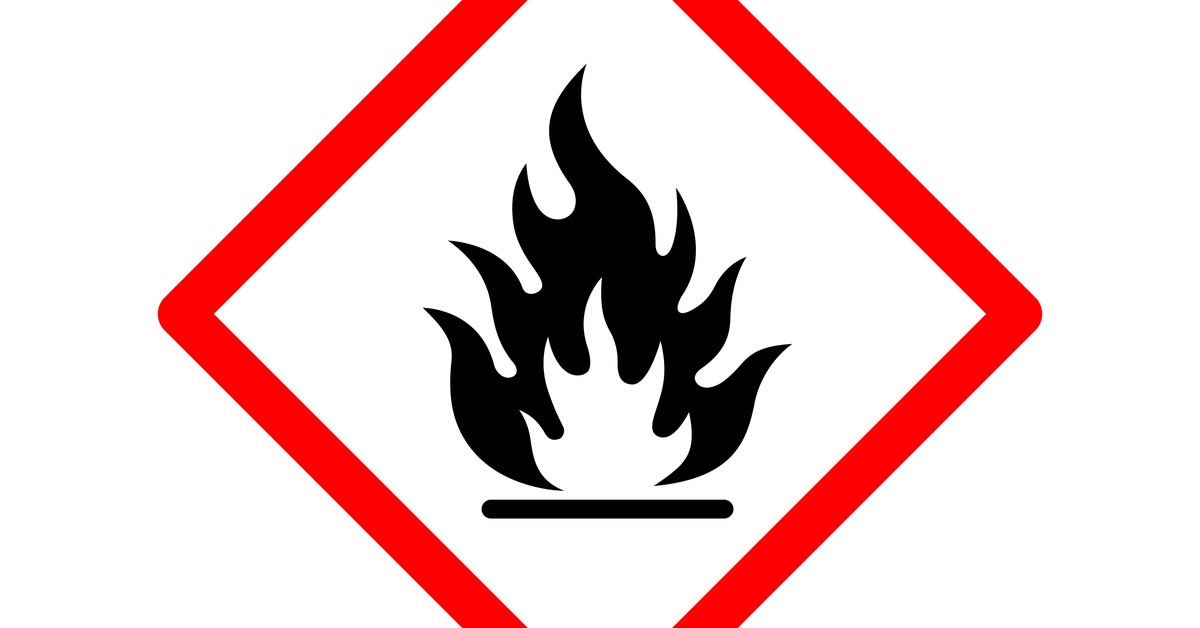
The flame symbol is a critical warning on various products, including cleaning agents, aerosol sprays, and certain disinfectants, which may contain alcohol or other flammable substances. Its purpose is to alert users to the potential fire hazard these materials pose.
To ensure safety, keep such products away from heat sources, open flames, and sparks, as they can ignite easily under the wrong conditions. When storing these items, choose a cool and dry location, avoiding exposure to direct sunlight or high temperatures, which may increase the risk of combustion.
Environmental Hazard Symbols
Environmental hazard symbols, such as a dead fish or tree image, suggest that a product may threaten the natural world. You can find these warnings on items containing chemicals that can harm aquatic life, disrupt ecosystems, or contribute to pollution.
Improper handling can result in severe environmental consequences, including water contamination and damage to biodiversity. Choosing environmentally friendly alternatives, when available, can also help protect the planet for future generations.
Child Safety Symbols
Product safety symbols help protect children from potential harm, such as accidental poisoning or misuse. These symbols indicate the product was engineered with special safety features, such as child-resistant lids that require significant strength, dexterity, or a specific technique to open.
By using these features, manufacturers aim to deter children from accessing potentially dangerous substances. Caregivers must remain vigilant by ensuring that such products are consistently stored out of children’s reach, with their safety mechanisms properly engaged.
Recyclable Packaging Symbols
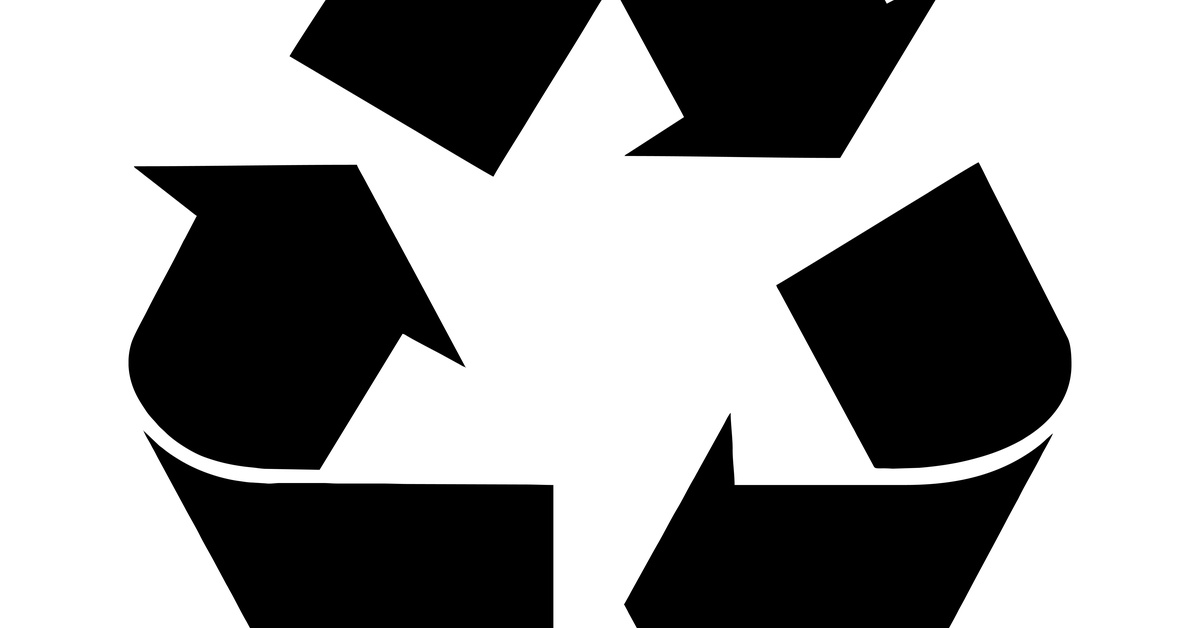
The recycling symbol, three arrows forming a continuous triangle, is a universal icon for promoting sustainability and proper waste management. This symbol means that you can recycle the product’s packaging, encouraging consumers to dispose of it in designated recycling bins instead of throwing it into general waste.
A recyclable symbol on quality all-purpose cleaning products ensures you make environmentally conscious purchasing decisions, reducing landfill contributions and supporting the creation of a circular economy. Opting for products with clear recyclable packaging labels is a simple yet effective way to minimize waste and contribute to the preservation of natural resources.
Ingredient Transparency Symbols
Understanding and recognizing ingredient transparency symbols on cleaning products can significantly contribute to making healthier and more sustainable choices for you and the environment. These symbols, such as the “Safer Choice” label from the US Environmental Protection Agency (EPA), indicate that a product’s ingredients meet strict human and environmental safety criteria.
Products with this certification are free of harmful, nontoxic, and biodegradable chemicals, ensuring they are safer for families, businesses, and the planet. By carefully reviewing these labels, you can identify products that clean effectively and support your commitment to sustainability and well-being.
pH Level Indicators
Understanding the pH level of a cleaning product is essential for effectively cleaning and protecting your home’s surfaces. The pH scale ranges from 0 to 14, with acidic products falling below 7, neutral products at 7, and alkaline products above 7.
Acidic cleaners, such as those designed to remove hard water stains or soap scum, are great for tasks requiring the breakdown of mineral deposits but can damage sensitive surfaces like natural stone. Alkaline cleaners effectively tackle grease and grime, making them ideal for kitchen surfaces, but they can be too harsh for certain materials. Neutral cleaners with a pH closer to 7 are safe for more delicate surfaces, offering a balanced option for everyday cleaning without risking damage.
By checking the pH level information on the product label or packaging, you can ensure you’re using a cleaner that matches the specific needs while minimizing unintended harm.
Disposal Instructions
Properly disposing of cleaning products is crucial to protecting the environment and public health. Products marked with a trash can and an X require special handling, and you must take them to a designated hazardous waste facility.
Rinsing containers before disposing of them is necessary to prevent residual chemicals from leaching into soil or water systems. If you’re unsure how to dispose of a specific product, contact your local waste management facility for advice.
Taking the time to understand the symbols on cleaning products is a small yet impactful step toward ensuring safety and sustainability in your home. These symbols communicate vital information quickly but effectively, helping you avoid hazards and make informed decisions.
Whether choosing child-safe designs, prioritizing biodegradable options, or understanding warning labels, this knowledge empowers you to use cleaning products confidently and responsibly. These lead to safe usage for environmental impact, ensuring you create a clean, secure, and eco-friendly environment for yourself and your loved ones.